

 Back to Blogs
What Causes Exterior Shutters to Pull Away from the House?
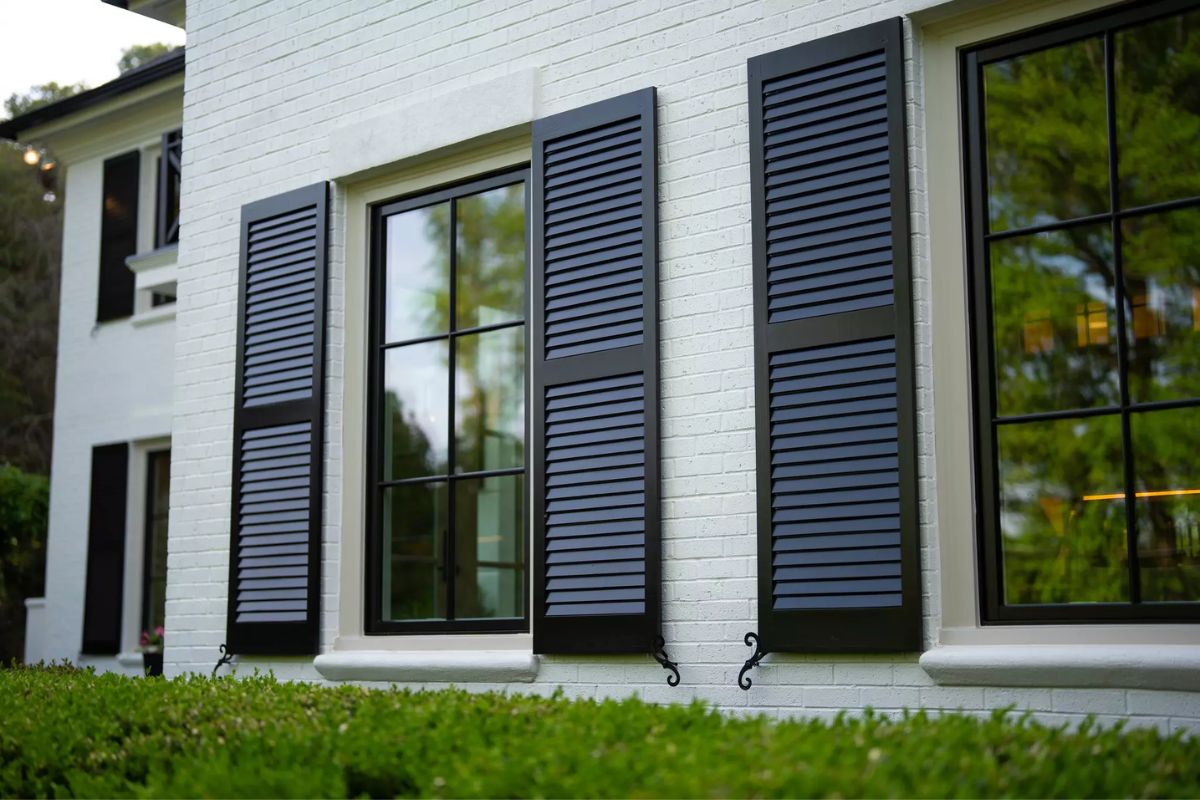
Walk around the outside of an older home, and you’ll sometimes spot it: a shutter sitting slightly crooked, with a gap opening up behind one edge where it used to sit flush against the siding. It’s a common sight, and it’s rarely random. Exterior shutter problems like this usually trace back to a handful of predictable causes, most of which have as much to do with weather and time as with the shutters themselves.
It Usually Starts With the Mounting Hardware
Shutters are typically held in place with screws, clips, or standoffs anchored into the siding or trim. That hardware takes on a lot of stress over the years, especially in a climate like Muncie’s, where temperatures swing from freezing winters to hot, humid summers.
Repeated expansion and contraction of the siding material can gradually loosen the anchor points. Wood trim swells and shrinks with moisture. Vinyl siding flexes with heat. Even a small amount of movement, repeated over dozens of seasonal cycles, can work screws loose or crack the material around a mounting point.
Wind Load Plays a Bigger Role Than Most Homeowners Expect
Shutters catch wind the same way a sail does, just on a smaller scale. Every strong gust puts a bit of stress on the hardware holding them in place. Over time, that repeated pressure adds up, particularly on shutters mounted on the side of a house that faces prevailing winds.
This is part of why shutters on one side of a home sometimes show more separation than shutters on another side of the same house. It’s not usually a sign of a defective product. It’s closer to ordinary wear from years of exposure.
Material Fatigue and Age
Wood shutters can rot, warp, or split near the mounting points as they age, weakening the connection to the house. Vinyl and composite shutters hold up differently, but they aren’t immune to long-term wear either. UV exposure, temperature cycling, and general age can make any shutter material more prone to shifting or cracking near the hardware over enough years.
Window frame expansion on the surrounding trim can contribute here too, since shutters mounted near windows are affected by the same seasonal movement that impacts the window frame itself.
Moisture and the Muncie Climate
Indiana’s mix of humid summers and freezing winters isn’t gentle on any exterior feature, and shutters are no exception. Moisture that gets behind a shutter, especially around the mounting points, can lead to gradual deterioration of the trim or siding underneath. When that happens, the surface holding the hardware becomes less stable, even if the shutter itself still looks fine.
Freeze-thaw cycles make this worse. Water that seeps into small cracks around a mounting point expands when it freezes, which can widen the gap a little more with each cold snap.
Signs Your Shutters May Be More Than a Quick Fix
A few patterns tend to show up together when shutter problems are becoming more than a minor annoyance:
- Visible gaps between the shutter and the siding, especially near the top or bottom corners
- Shutters that shift or rattle noticeably in windy conditions
- Cracking, splitting, or soft spots near the mounting hardware
- Paint or finish that’s visibly deteriorated compared to the rest of the exterior
- Shutters that no longer sit evenly or symmetrically compared to their pair
Any one of these on its own might mean it’s time to tighten a screw. Several of them together, especially on shutters that are already several years old, usually point to a bigger picture: the shutters and their hardware have reached the end of what they can reliably support.
When Replacement Starts to Make More Sense Than Ongoing Fixes
At some point, homeowners find themselves addressing the same loose shutter year after year. When that becomes the pattern, it’s often more practical to think about replacement rather than repeating the same fix on aging hardware and worn material.
Window World offers exterior shutters as part of our broader lineup of exterior remodeling products, alongside replacement windows, siding, and entry doors. New shutters give you the chance to start with hardware and materials suited to today’s standards, rather than working around decades of wear on the original mounting points.
If your shutters have been pulling away more than once, it may be worth scheduling a Free In-Home Quote to talk through what’s realistic for your home. A Design Consultant can walk the exterior with you, take a look at what’s going on, and explain what options fit your house and your budget, with no pressure involved.
A Problem Worth Addressing Sooner Rather Than Later
Shutters that are pulling away from the house aren’t just a cosmetic issue. Left alone, the gap can let moisture behind the siding, which creates its own set of problems down the road. Understanding why the separation is happening, whether it’s hardware fatigue, wind exposure, or years of freeze-thaw cycles, makes it easier to decide whether a quick tightening will hold or whether it’s time to consider something more lasting.
As a locally owned, nationally known company, Window World Muncie has helped area homeowners think through exterior updates that go beyond a single fix. If your shutters are showing their age, a conversation about replacement options is a good place to start.
Frequently Asked Questions
-
Loosened mounting hardware, wind stress, material fatigue, and moisture damage around the anchor points are the most common causes.
-
Yes, repeated wind pressure gradually stresses mounting hardware, especially on shutters facing a home’s prevailing wind direction.
-
Yes, freeze-thaw cycles can widen small cracks around mounting points, further loosening hardware over successive winters.
-
Yes, sides facing prevailing wind or direct sun often show more wear than more sheltered sides.
-
If gaps, cracking, or loose hardware keep recurring despite fixes, replacement is often more practical than ongoing adjustments.