

 Back to Blogs
How to Choose an Entry Door for Your Home Style in Muncie
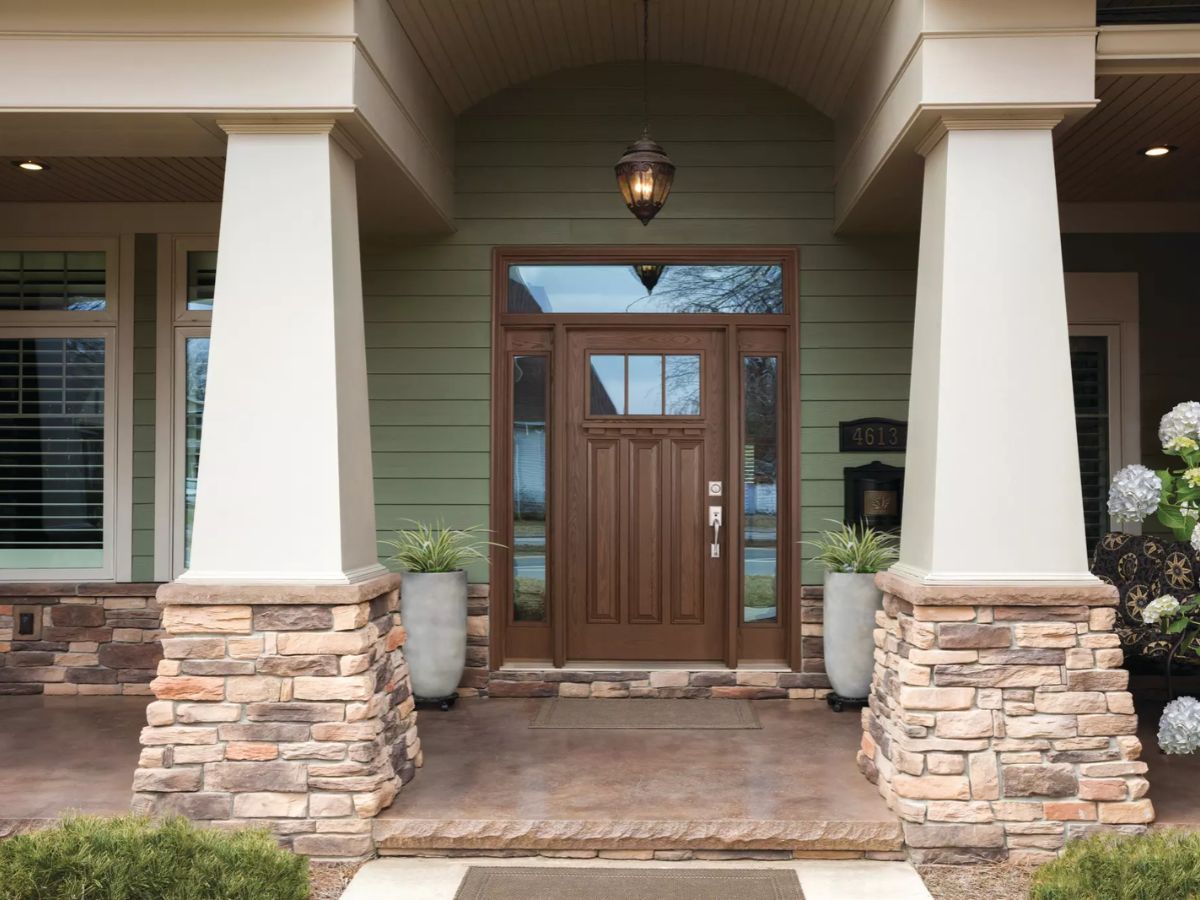
Your front door plays an important role in your home's overall appearance, so how to choose an entry door for your home style matters. The right design complements your home's architecture and creates a cohesive look with the siding, windows, and trim. From traditional to contemporary designs, understanding which door styles, colors, and finishes work best can help you decide more confidently.
Why Does Architecture Matter More Than Trends?
Trends fade, but your house's proportions stay put. The roofline, porch, window grid, and overall symmetry all signal what kind of door belongs there.
Start by naming your home’s style. Then look at what the house already does. Are the windows divided into small panes? Is the entry centered or tucked to one side? Those details tell you what the door should echo.
Which Entry Door Style Suits Which Home?
These pairings are design recommendations based on common practice, not fixed rules. Your own taste and your street’s character should have the final say.
Ranch and Mid-Century Homes
Low, horizontal lines call for a door with a clean, uncluttered face. A narrow vertical glass panel or a sidelight adds light without breaking up the simple look. Streets across East Central Indiana often include these single-story homes.
Craftsman and Bungalow Homes
These homes tend to feature deep porches and divided window grids. A door with rectangular glass near the top, framed by straight lines, repeats that rhythm and feels at home under the porch roof.
Colonial and Cape Cod Homes
Symmetry rules here. A centered door with raised panels looks natural, and sidelights or a transom above the door help balance the facade. Keep the hardware simple and traditional.
How Do Glass, Color, and Hardware Change the Look?
Glass is the biggest variable. Clear glass floods a hallway with daylight, while textured or decorative glass adds privacy. Think about what sits behind the door, such as a staircase or a living room, before you decide how much to show.
Color should work with your siding and trim instead of competing with them. Look at your door from the curb in morning and afternoon light, because shade and sun change how a color reads. Hardware finishes should match your porch light and house numbers.
Ask your Design Consultant which styles, glass options, and finishes are available for a Window World entry door at your location. Availability can vary.
What Practical Factors Matter in Muncie?
A good-looking door still has to work through freezing winters, humid summers, and storms. Look at the weatherstripping, the threshold, and how the door seals against the frame. Ask for the U-factor, which measures heat flow through the door. A lower U-factor generally indicates better resistance to heat flow. Wind and heavy rain also count, so ask how the frame is sealed and whether the threshold keeps water out during storms.
Installation deserves as much attention as the product. A door set into a frame that is not square can stick, leak air, or wear its hardware unevenly. We recommend professional installation, and we do not suggest do-it-yourself changes such as drilling, trimming, or modifying the door, because those can affect performance and warranty coverage.
When you narrow your choices, return to the main question of how to choose an entry door for your home style and ask whether each finalist still looks right from across the street.
What Mistakes Should You Avoid When Choosing a Door?
Most regrets come from a few predictable missteps.
- Choosing from a catalog photo without picturing the door on your own facade
- Picking a style that is too small or too large for the entry
- Forgetting how the door will look next to the garage door, shutters, and porch light
- Focusing on appearance alone and skipping questions about sealing and fit
A simple test helps. Stand across the street, picture the new door, and ask whether it belongs to the same house as everything around it. Applying that test to how to choose an entry door for your home style helps you avoid the mismatch that is hardest to live with.
How Does a New Door Fit With the Rest of Your Exterior?
An entry door rarely stands alone. It sits beside windows, siding, and trim, so the finish and proportions should agree with them. If you are also considering replacement windows or vinyl siding, plan the colors together so the whole facade reads as one design.
What Should You Compare Before You Decide?
Line up your top options and compare them on the same terms.
- How well the design matches your home’s architecture
- Glass and privacy options
- The U-factor and any ENERGY STAR® certification for your climate zone
- Finish and color choices
- The limited lifetime warranty and what it covers
Restrictions may apply. For complete details, see the warranty at your nearest Window World store.
Want a Second Opinion on Your Door Choice?
Snap a photo of your house from the street and bring it along. A Window World Design Consultant can look at your home with you, talk through styles, and prepare a Free In-Home Quote with no pressure to decide on the spot. Explore our services and use the contact page to set a time that works for you. Window World locations are independently owned and operated, backed by a nationally known brand.
Frequently Asked Questions
-
It should complement them. Matching grid patterns, glass styles, or color tones helps the entry feel connected to the rest of the facade.
-
Choose a color that contrasts with the siding without clashing with the roof and trim. Viewing samples outside in daylight helps.
-
Not always. They suit homes with enough entry width and height, and they add light, but a simple solid door can look better on small entries.
-
We recommend professional installation. Correct fit and sealing affect performance, and unapproved changes can affect warranty coverage.