

 Back to Blogs
Common Shutter Problems Found in Older Muncie Neighborhoods
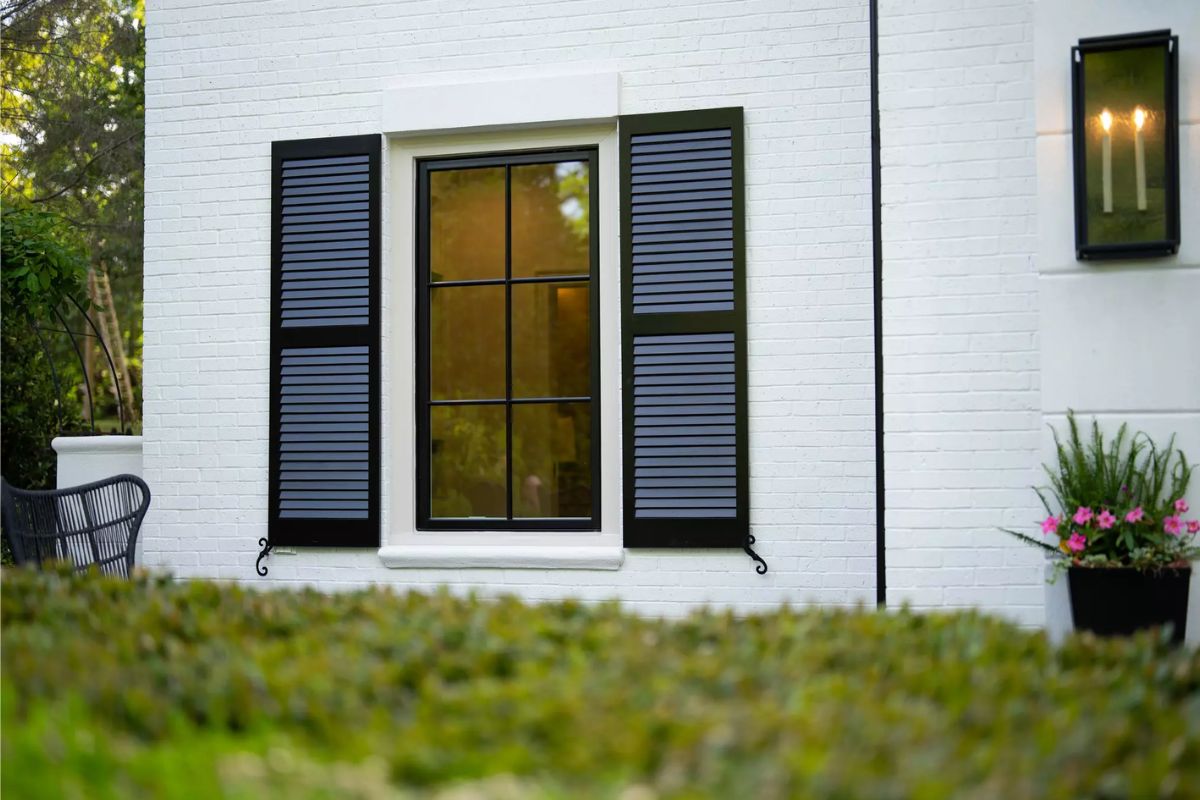
Drive through some of Muncie’s older neighborhoods, and you’ll notice a pattern once you start looking for it. Shutters that don’t quite match their pair anymore. A slight lean here, a faded panel there. Homes built decades ago often still carry their original shutters, and by now, most of them are showing it. If you own one of these homes, understanding the common shutter problems Muncie properties tend to develop over time can help you figure out what’s actually going on with yours.
Neighborhoods with older housing stock share a lot in common: mature trees, established landscaping, and homes that have weathered plenty of Indiana seasons. Shutters on these homes have typically been through the same decades of freezing winters, humid summers, and everything in between. That history shows up in a few predictable ways.
Cracking and Splitting in Wood Shutters
Older homes are more likely to have original wood shutters, and wood doesn’t age the same way newer materials do. Years of moisture exposure followed by drying cycles cause wood fibers to expand and contract repeatedly, which eventually leads to cracking or splitting, especially near the corners and mounting points.
Once a crack forms, it tends to get worse. Water finds its way in, the wood swells again, and the cycle repeats each season. This is one of the more common shutter problems Muncie homeowners with older wood shutters run into, particularly on homes with less consistent maintenance history.
Fading and Discoloration From Sun Exposure
Decades of sun exposure take a visible toll on shutter color, whether the material is wood, vinyl, or an older composite. UV rays break down pigments and finishes over time, which is why shutters on the sunniest side of a house often look noticeably different from shutters on a shadier side of the same home.
This is mostly a cosmetic issue on its own, but it’s often one of the first visible clues that a shutter’s overall condition is starting to decline in other ways too.
Loose or Missing Hardware
Mounting hardware doesn’t last forever. Screws back out gradually with vibration and seasonal movement, clips wear down, and standoffs can crack or corrode depending on the material. In older neighborhoods, it’s common to see shutters held on by fewer working anchor points than they originally had, which is often why one side sits noticeably looser than the other.
A few warning signs tend to show up together:
- Visible gaps between the shutter and the siding
- Shutters that shift or rattle in windy conditions
- Rust stains or corrosion around mounting hardware
- One shutter sitting noticeably higher or lower than its match
Warping and Misalignment Over Time
Shutters aren’t always flat by the time they’ve been on a house for twenty or thirty years. Wood shutters can warp with repeated moisture cycles, and even vinyl shutters can bow slightly after enough years of heat exposure. Once a shutter loses its original shape, it often stops sitting flush against the mounting surface, which creates gaps and makes the hardware work even harder to hold it in place.
Why Older Muncie Homes See These Problems More Often
A few factors specific to older housing stock make these problems more common:
- Original materials weren’t always built with today’s weather-resistant coatings and treatments.
- Decades of freeze-thaw cycles have had more time to affect wood and hardware.
- Mature trees can create shade and moisture patterns that speed up wear on one side of a house.
- Some homes have layers of old paint that mask underlying cracks or rot until they’re significant.
None of this means an older home is doing anything wrong. It’s simply a reflection of how many seasons the original shutters have been through.
What to Do When Shutters Reach This Point
Minor issues, like a single loose screw, can often be addressed on their own. But when cracking, warping, and loose hardware start showing up together, it’s usually a sign the shutters have reached the natural end of their service life rather than something a quick fix will resolve for long.
At that point, many homeowners in older Muncie neighborhoods start looking into replacement shutters instead of continuing to patch the same problems each year. Window World offers exterior shutters as part of our exterior remodeling lineup, which also includes replacement windows, siding, and entry doors, giving homeowners the option to update multiple exterior elements together if that makes sense for their home.
If you’re noticing several of these signs on your own home, scheduling a Free In-Home Quote is a simple way to get a clear picture of your options. A Design Consultant can take a look at your home’s exterior and talk through what would work best for your specific situation, without any pressure to commit on the spot.
Recognizing the Pattern Before It Gets Worse
Shutter problems on older homes rarely appear overnight. They build gradually, season after season, until a homeowner steps back one day and notices just how much has changed. Catching the pattern early, whether it’s cracking, fading, loose hardware, or warping, makes it easier to plan rather than react to a shutter that’s finally given out.
Window World Muncie is locally owned and nationally known, and we work with homeowners across the area’s older neighborhoods to help them understand what their exterior actually needs. If your shutters are showing their age, it’s worth having that conversation sooner rather than later.
Frequently Asked Questions
-
Decades of freeze-thaw cycles, sun exposure, and aging original materials contribute to more wear over time.
-
Minor cracks sometimes hold with maintenance, but repeated cracking usually signals the material is reaching its limit.
-
Often yes, but persistent sun exposure that fades color can also weaken material and hardware over time.
-
Visible gaps, rattling in the wind, or corrosion around mounting points are common signs that hardware is failing.
-
When cracking, warping, and loose hardware appear together repeatedly, replacement is usually more practical long-term.